
Signals this week
The top four are all behavioral constraints for coding agents: state the next action, ask whether code can be avoided, draw the system as a verifiable artifact, and split engineering practice into callable skills. None changes the underlying model, yet each changes how that model communicates, decides and hands work over. Open-source attention is moving from whether an agent can act to whether it can avoid detours and overbuilding while leaving a result a person can continue.
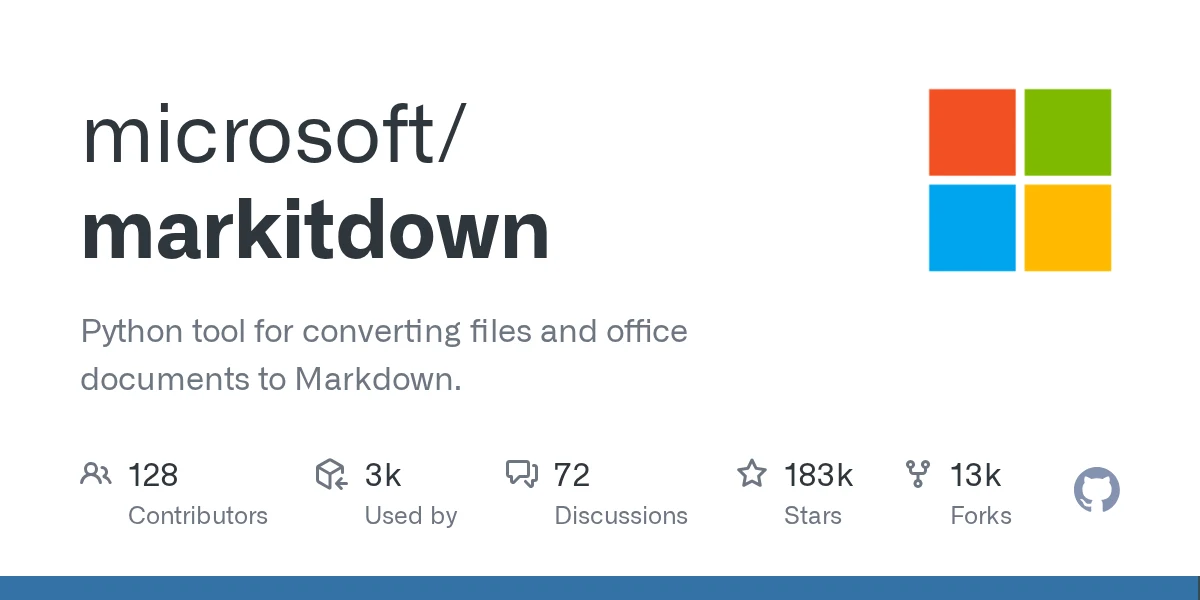
That convergence also appears in ordinary file formats. Archify and Diagram Design choose self-contained HTML or SVG, HyperFrames treats HTML as a video source, and MarkItDown compresses heterogeneous documents into Markdown. These formats are easy for an agent to produce and legible to humans and automated checkers. The differentiator is becoming not generation speed alone, but whether an artifact can be validated, replayed, compared and repaired.
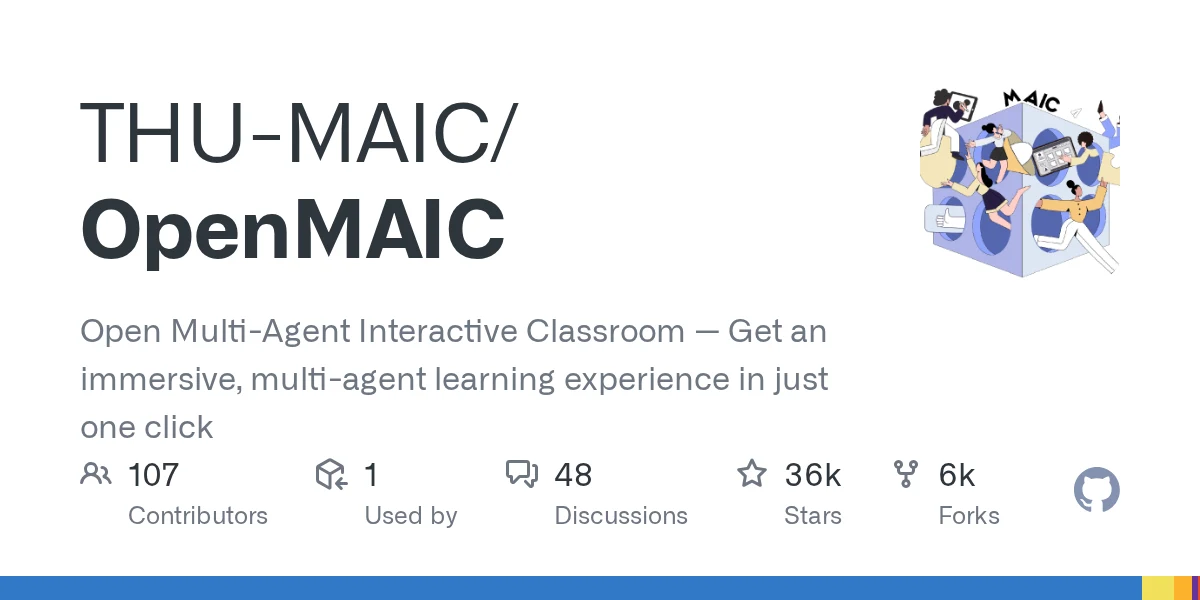
Returning projects are moving from demos into engineering cleanup. Archify charts for a third straight week while repairing evidence sources, font packaging and Windows archives. God's Eye View and OpenMAIC return for a second week, splitting data providers and hardening course import and export. Sustained stars do not create a new story every week, but boundary work says more about long-term maintenance than another showcase button.
No inference model or RAG repository reached this eligible top ten, while the security question grew sharper. A skill can alter instructions, a hook can execute shell and an MCP server can touch external systems. The larger the bundle, the wider its implicit permissions and update surface. A practical adoption order is still to choose the smallest module, read its rules and scripts, pin a version, run real work in an isolated project, then decide whether it belongs in the daily workflow.
Ranking figures as of Sep 12, 2026, 4:01 AM UTC
via: GitHub Trending weekly, each project's GitHub repository, README, commit history and releases