Perplexity's Local Agent Comes to Windows, and the Bar Is Stated Plainly: At Least 24GB of VRAM
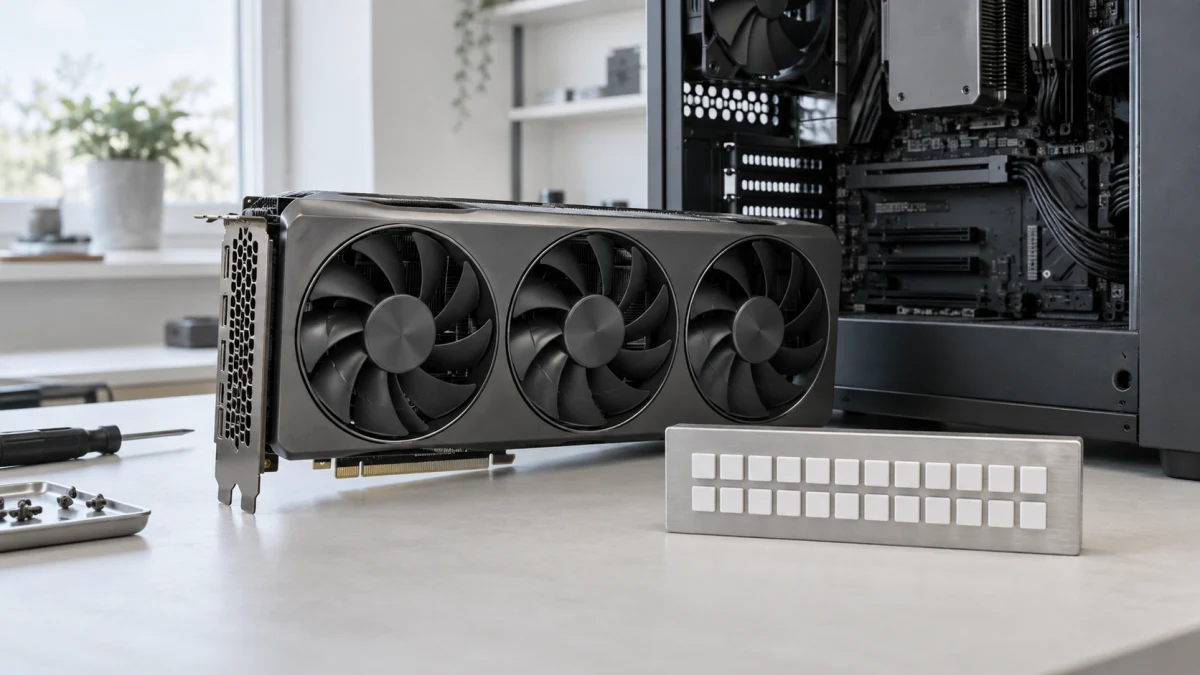
On September 14, the Windows build of Perplexity Portable Computer went live, powered by NVIDIA RTX, about three weeks after it first…
On September 14, the Windows build of Perplexity Portable Computer went live, powered by NVIDIA RTX, about three weeks after it first…
Specific Labs released Real-SWE, which evaluates frontier models not on open-source repositories but on private production codebases…
On Saturday, September 12, Anthropic CEO Dario Amodei published a roughly 3,800-word essay, "We Must Pace the Frontier," on his personal…
Researchers Spencer Kitts, Thomas Larsen and Sydney Von Arx reconstructed a May 2026 campaign — dubbed GemStuffer by security researchers…
Salesforce introduced seven "job-ready" named agents ahead of Dreamforce on September 11: Casey (service, across voice, SMS, WhatsApp and…
Accomplish, a security startup still in stealth (founded by Or Hiltch, Amit Avner and Guy Zipori), publicly disclosed leaky-sandbox…
Cognition released its coding model SWE-2 on September 10, post-trained from Kimi K3, Moonshot's 2.8-trillion-parameter open-weight model.
GreyNoise published a report titled "Agents Gone Wild": starting August 31, an attacker first used AI in a self-hosted lab to develop and…
On September 8, at a Goldman Sachs investor summit in San Francisco, Qualcomm and Amazon disclosed a long-term partnership under which…
Google released the Gemini desktop app for Windows on September 10, about five months after the Mac version, as a free download from gemini.
This issue covers GitHub Trending for ISO week 37 of 2026, ranking ten eligible AI projects by stars gained this week across AI coding…
Axios reported exclusively on September 9 that Meta is acquiring Swedish AI startup Stilla.ai to accelerate Meta Business Agent — the…
Showing 12 of 12 stories